



Rising Circular Debt and Delayed Payments Continue to Challenge Pakistan’s Economy
Islamabad | July 26, 2026
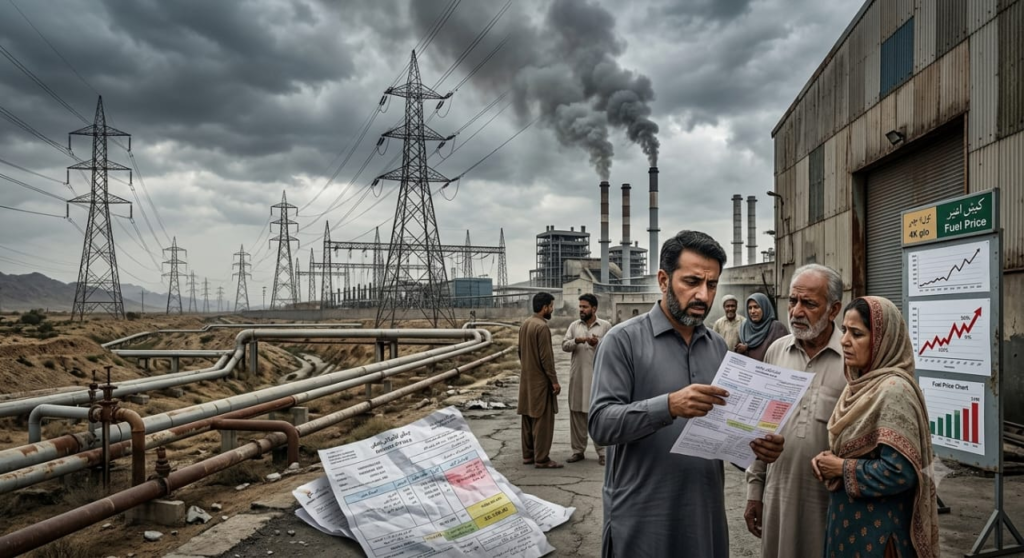
Pakistan’s energy sector continues to face significant financial challenges as rising circular debt and delayed payments across the electricity and natural gas supply chain place increasing pressure on the country’s economy. Energy experts warn that unless comprehensive reforms are implemented, the financial burden on utility companies may eventually be transferred to industries, businesses, and ultimately millions of consumers through higher production costs and increased prices of goods and services.
According to economic analysts, circular debt remains one of the most pressing issues confronting Pakistan’s energy sector. The problem arises when payments are delayed at different stages of the energy supply chain, creating a financial gap that affects electricity generation companies, fuel suppliers, gas utilities, and power distribution companies. As unpaid obligations accumulate, energy providers struggle to maintain healthy cash flows, making it difficult to invest in infrastructure improvements and ensure reliable service delivery.
Industry specialists explain that many public and private energy companies are increasingly relying on short-term bank financing to meet their operational expenses and contractual obligations. While these loans provide temporary financial relief, they also increase borrowing costs and place additional pressure on company finances. Rising interest expenses reduce the resources available for maintenance, modernization, and expansion of energy infrastructure, creating long-term sustainability concerns.
The impact of these financial pressures extends far beyond the energy sector itself. Manufacturers, exporters, and small businesses depend heavily on stable and affordable electricity and gas supplies to maintain production. When energy costs rise, businesses often experience higher operating expenses, reducing profit margins and affecting their competitiveness in both domestic and international markets. Small and medium-sized enterprises (SMEs), which form the backbone of Pakistan’s economy, are particularly vulnerable because they have limited financial capacity to absorb increasing utility costs.
Consumer rights advocates have also expressed concern that continued financial instability within the energy sector may eventually lead to higher electricity and gas tariffs. Any increase in utility charges would directly affect household budgets, particularly for low- and middle-income families already dealing with inflation and rising living expenses. Higher utility bills also contribute to increased transportation, manufacturing, and food production costs, creating inflationary pressure throughout the economy.
Economic experts emphasize that addressing circular debt requires more than temporary financial injections. They argue that long-term structural reforms are necessary, including improved governance of state-owned enterprises, enhanced billing and collection systems, reduction of electricity theft, investment in modern transmission infrastructure, and greater operational efficiency across the energy supply chain. Strengthening regulatory oversight and encouraging private sector participation could also improve financial discipline and service quality.
Another important area highlighted by policy analysts is the promotion of renewable energy. Increasing investment in solar, wind, and hydropower projects could reduce dependence on imported fuels, lower long-term generation costs, and improve Pakistan’s energy security. Experts believe that diversifying the country’s energy mix would not only support environmental sustainability but also help stabilize electricity prices over time.
Financial institutions have also stressed the importance of transparent policymaking and predictable regulatory frameworks to attract domestic and foreign investment into Pakistan’s energy sector. Investors generally seek long-term stability before committing capital to infrastructure projects, making policy consistency an essential component of future reforms.
Looking ahead, economists believe that resolving the energy sector’s financial crisis will require coordinated action by the federal government, regulatory authorities, utility companies, financial institutions, and private investors. Without decisive reforms, circular debt is likely to continue growing, placing further strain on public finances and slowing economic growth.
Conclusion
Pakistan’s energy sector remains a critical pillar of the national economy, but persistent circular debt and financial inefficiencies continue to undermine its stability. Sustainable reforms, improved governance, greater investment, and enhanced operational efficiency are essential to ensuring affordable and reliable energy for businesses and consumers alike. Successfully addressing these challenges will not only strengthen the energy sector but also contribute to long-term economic growth, industrial competitiveness, and improved consumer welfare.